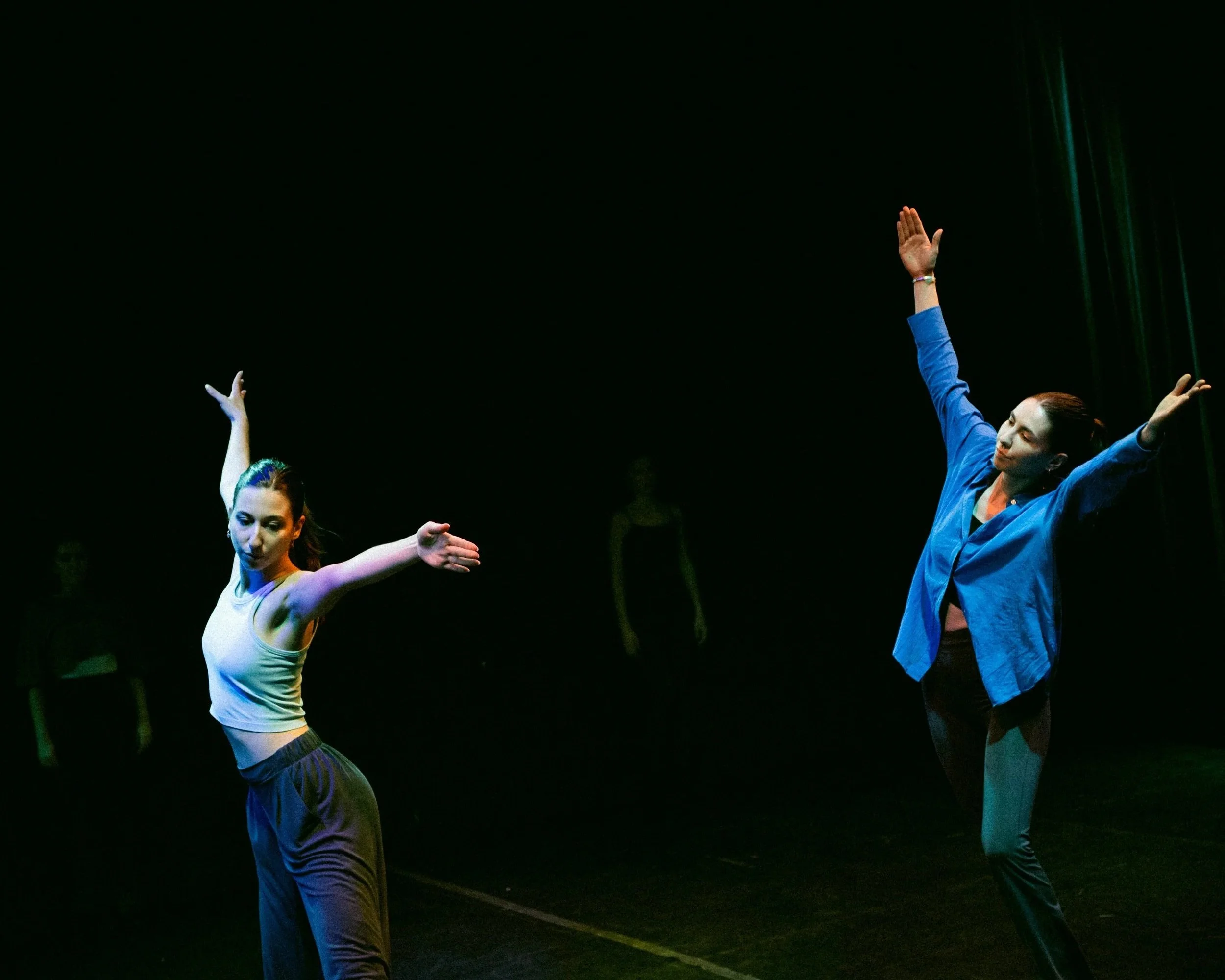
Introduction to Horton Technique: 10 Fundamental Steps for Beginners
Horton Technique, developed by Lester Horton, focuses on flexibility, strength, control, line, and expressive movement. It forms the foundation for many modern dance styles, Broadway choreography, and contemporary dance practice.
Here are 10 fundamental Horton steps, fully explained with step-by-step instructions and detailed descriptions of what each movement does for your body, strength, and technique.
1. Flat Back
What it does: The Flat Back stretches the spine, strengthens the core, and trains dancers to hinge from the hips instead of the back.
How to do it:
Stand with feet hip-width apart.
Hinge forward from your hips until your torso is parallel to the floor.
Keep your back long, shoulders down, and head in line with your spine.
Arms can be extended forward or to the sides.
Hold for 3–5 seconds, then return slowly to standing.
Why: The Flat Back is essential because it not only improves spinal flexibility but also builds core strength and body control, helping dancers execute movements with stability and elegance while maintaining proper alignment, which is crucial for all modern dance techniques and choreography.
2. Lateral T
What it does: Strengthens the lateral hip muscles, core, and integrates arm and leg alignment.
How to do it:
Stand tall, feet hip-width apart, arms extended in a “T.”
Lift one leg to the side to hip height, keeping the knee straight.
Keep the torso stable, core engaged.
Lower the leg with control and switch sides.
Why: The Lateral T is important because it builds core stability, strengthens the legs, and trains the dancer to coordinate arms and legs in a clear, controlled line, improving overall balance and precision for modern dance movements.
3. Horton Lunge
What it does: Opens the hips, strengthens the thighs, and activates spinal stability.
How to do it:
Step into a deep forward lunge.
Keep the back leg straight with a slightly bent knee and the torso upright.
Extend arms upward, sideways, or diagonally.
Return to standing with control and switch legs.
Why: The Horton Lunge develops hip flexibility, leg strength, and balance while engaging the core for spinal support. Practicing this movement helps dancers perform both fluid and powerful movements with proper alignment and control.
4. Flat Back with Arm Reach
What it does: Combines the Flat Back with arm movement for coordination, expression, and line development.
How to do it:
Begin in Flat Back position.
Extend your arms forward, sideways, or diagonally.
Keep the core engaged and the back long.
Return to standing with control.
Why: This variation strengthens the connection between upper and lower body, trains core engagement, and helps dancers develop fluid, expressive movements while maintaining technical precision, which is essential for choreography.
5. Tilt
What it does: Improves balance, hip flexibility, and core control.
How to do it:
Stand on one leg (slightly bent), with the other leg extended behind or to the side.
Lean the torso sideways over the standing leg, arms following the direction of the tilt.
Keep your core engaged and shoulders away from the ears.
Return to standing, then switch sides.
Why: Tilts strengthen the ability to maintain balance while extending lines through the body, increase hip mobility, and train dancers to control complex positions, improving overall stability and movement quality.
6. Horton Roll
What it does: Builds core strength, floor awareness, and smooth transitions from floor to standing.
How to do it:
Begin lying on your back or side.
Roll over the side or back in a controlled manner, keeping your core engaged.
End either on the floor or rise smoothly into a standing position.
Why: The Horton Roll enhances core control, teaches safe rolling mechanics, and develops fluid transitions from the floor to standing, which is vital for modern dance combinations and dynamic choreography.
7. Leg Circles
What it does: Strengthens the hips, legs, and core while improving control and range of motion.
How to do it:
Lie on your back with one leg extended upward.
Draw slow, controlled circles in the air with the leg.
Keep your core engaged and lower back stable.
Switch legs and vary the circle directions.
Why: Leg Circles improve hip mobility, leg strength, and core stability, and help dancers execute smooth, controlled, and precise movements, which are essential for Horton combinations and modern dance technique.
8. Flat Back with Arm Sweep
What it does: Combines spinal flexibility with expressive arm movement.
How to do it:
Start in Flat Back position.
Sweep your arms forward or sideways in a fluid motion.
Keep your torso stable and core engaged.
Return to standing with control.
Why: This exercise strengthens coordination between the upper body and core, develops expressive lines, and teaches dancers to maintain control while adding dynamic arm movements, which is key for performance quality in choreography.
9. Horton Jump
What it does: Builds leg power, jump height, and midair control.
How to do it:
Stand tall with knees slightly bent.
Hinge at the hips, swinging arms back for momentum.
Jump powerfully, keeping legs slightly extended.
Land softly on both feet with bent knees.
Why: Horton Jumps develop explosive power, coordination, and core stability, while training dancers to maintain control and body awareness in the air, allowing them to execute dynamic jumps and movements with precision and elegance.
10. Horton Combination
What it does: Combines multiple Horton steps into a flowing sequence for coordination, rhythm, and full-body control.
How to do it:
Combine Flat Backs, Lunges, Tilts, Jumps, and Rolls into a continuous sequence.
Maintain core engagement, clean lines, and smooth transitions.
Add variations in arm and leg positions for expression.
Why: Practicing Horton Combinations develops full-body coordination, musicality, and control, allowing dancers to execute complex choreography with fluidity, technical precision, and expressive energy, which is essential for modern dance performance.
Continue Dancing in Graz
Horton Technique is ideal for building strength, flexibility, and expressive movement. Our Contemporary Dance classes in Graz incorporate Horton elements to help beginners and advanced dancers develop technical skills, musicality, and stage presence.