How Do You Know If You’re Ready for Pointe Work?
Pointe work is one of the most exciting milestones in a ballet dancer’s journey. Dancing on pointe can be beautiful, expressive, and technically challenging, but it also requires strength, stability, and proper preparation. Starting pointe too early can lead to injury, while waiting until you’re ready ensures safety and success. Here’s how to know if you’re ready for pointe.
1. Age Considerations
There isn’t a strict age requirement for pointe, but most ballet schools recommend starting around 11 or 12 years old, when the body has developed enough bone and muscle strength to handle the demands of pointe work.
Why it matters: Starting too early, before bones are fully developed, increases the risk of stress injuries to the feet and ankles. Waiting ensures your body is physically ready to support your weight on the tips of your toes.
2. Strength in Feet, Ankles, and Legs
Pointe work requires strong feet, ankles, and calves to support the body safely. Teachers will often look for:
Ability to rise smoothly to relevé on both feet
Strong arch support and flexible, yet controlled feet
Stability in ankle alignment without wobbling
Why it matters: Strong lower legs prevent injuries like tendonitis, ankle sprains, and stress fractures, and allow you to dance with control and balance.
3. Core Strength and Balance
Pointe isn’t just about your feet—it’s about your whole body. You need a strong core and good balance to maintain proper posture and alignment. Teachers will check:
Ability to maintain balance in relevé and pirouettes
Controlled movements without leaning forward or backward
Why it matters: Core strength ensures your body stays aligned over the pointe shoe, making movements safer and more elegant.
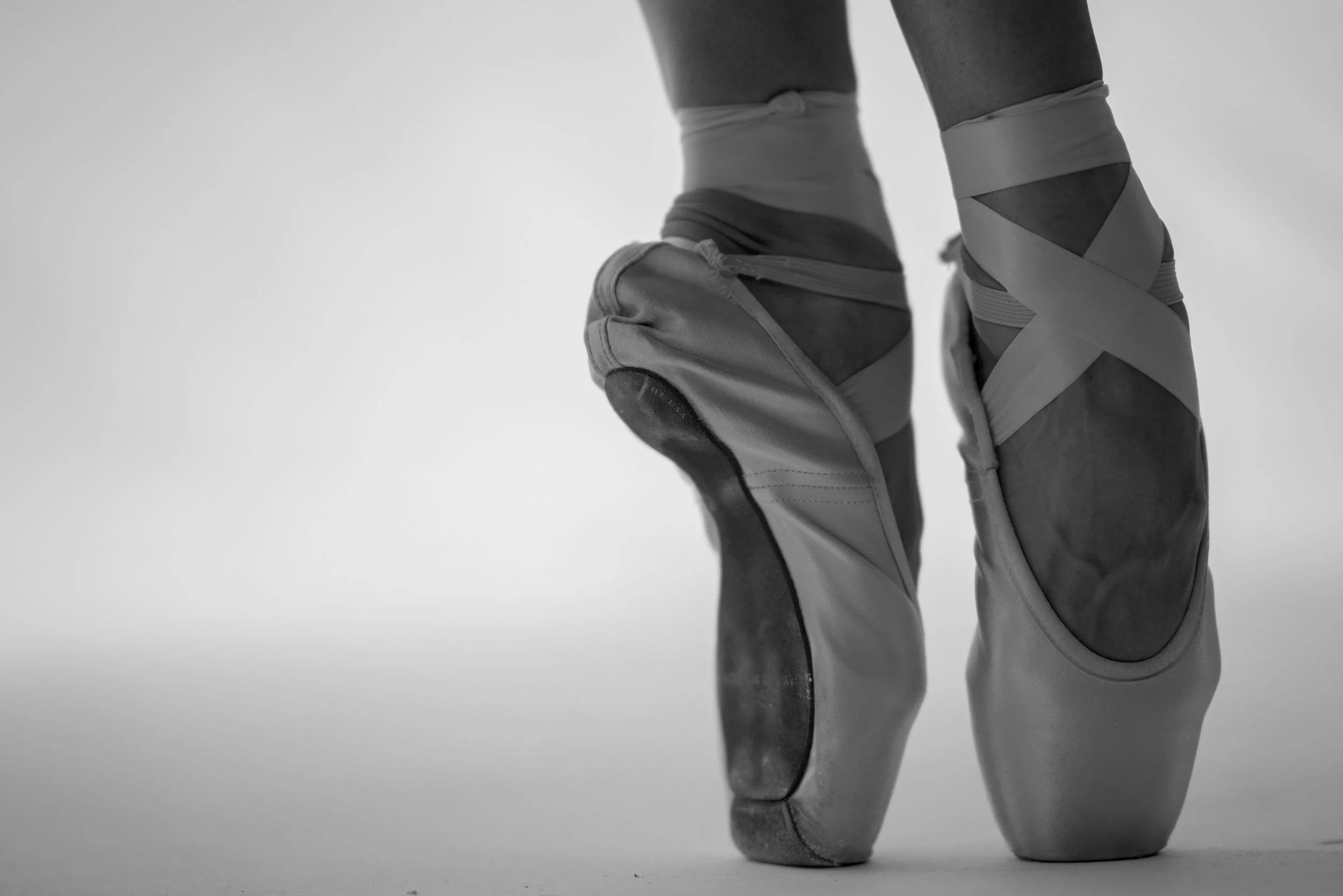
4. Technique in the Classroom
Before starting pointe, a dancer should have solid ballet technique, including:
Proper turnout from the hips
Strong and stable alignment in the legs, pelvis, and spine
Clean port de bras (arm movements) and coordination
Why it matters: Without strong classical technique, pointe work can exaggerate weaknesses, increasing the risk of injury and creating bad habits.
5. Foot Shape and Evaluation by a Teacher
Every dancer’s foot is unique, and some may require more preparation before starting pointe. A qualified ballet teacher will:
Evaluate your foot structure, ankle flexibility, and strength
Recommend exercises or preparatory classes to build readiness
Why it matters: Pointe shoes place intense pressure on the toes and metatarsals, so individual evaluation ensures the dancer’s feet can safely handle the demands.
6. Consistency in Ballet Training
Regular ballet training is essential before starting pointe. Most teachers recommend at least 3–4 years of consistent ballet classes, building strength and foundational skills.
Why it matters: Consistent training ensures that the dancer has developed the necessary muscle memory, alignment, and technique to succeed safely on pointe.
7. Mental Readiness and Commitment
Pointe work requires focus, patience, and persistence. Dancers should feel mentally prepared for:
Hard work and dedication to strengthening exercises
Careful attention to safety and alignment
Gradual progression in difficulty and complexity
Why it matters: Being mentally ready helps dancers stay motivated, reduces frustration, and ensures they approach pointe training safely and confidently.
8. Preparatory Exercises
Even before pointe shoes, dancers can practice exercises to strengthen the feet and ankles:
Theraband foot exercises for strength and arch support
Relevés and demi-pointe exercises at the barre
Balance and core exercises like planks and Pilates movements
Why it matters: Preparatory exercises build the foundation for a safe and successful transition to pointe, reducing the risk of injury and improving technique.
9. Signs You May Not Be Ready Yet
Even if a dancer is eager to start pointe, certain signs indicate it’s better to wait:
Persistent wobbling or instability on demi-pointe
Pain in the ankles, feet, or knees during barre work
Lack of turnout or alignment control
Why it matters: Starting pointe without proper preparation can lead to long-term injuries, so recognizing these signs helps prevent setbacks.
10. Working With a Teacher
Ultimately, the decision to start pointe should be guided by a qualified ballet teacher who knows your strengths, weaknesses, and developmental readiness. They can recommend:
Additional strengthening exercises
Time on demi-pointe before full pointe
Appropriate shoes and fit adjustments
Why it matters: A teacher’s guidance ensures safety, builds confidence, and allows dancers to progress successfully and gracefully into pointe work.
Ready to Start Your Pointe Journey?
Pointe work is a beautiful next step for dancers who have built strength, technique, and confidence. If you’re curious whether you’re ready, our ballet teachers in Graz offer individual evaluations, strengthening exercises, and guided preparation for starting pointe safely.
➡️ Check out our Ballet classes for kids and teens in Graz and begin building the foundation for a safe, strong, and graceful pointe journey.